How Meta took the lead in the race for the post-smartphone world
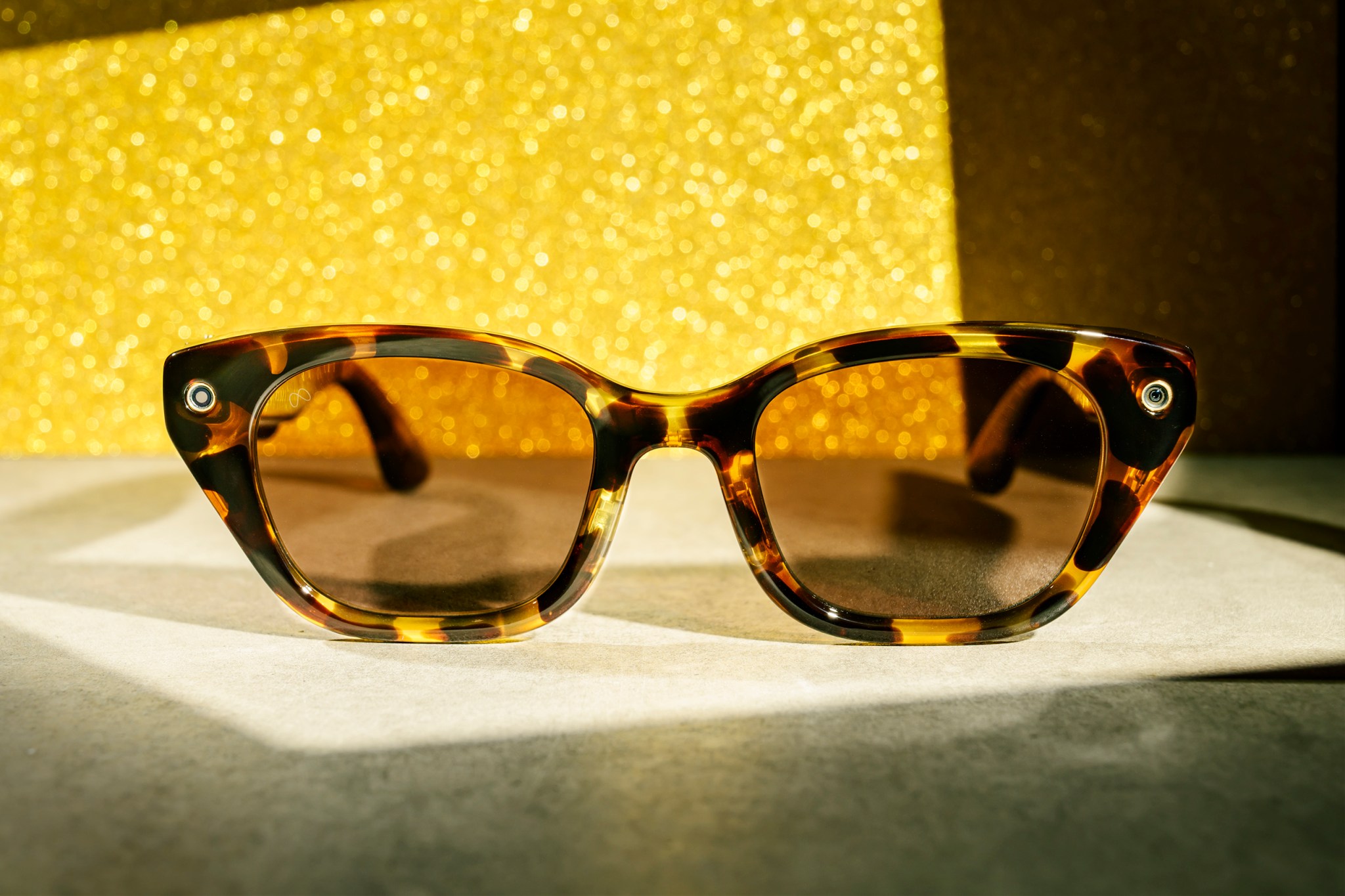
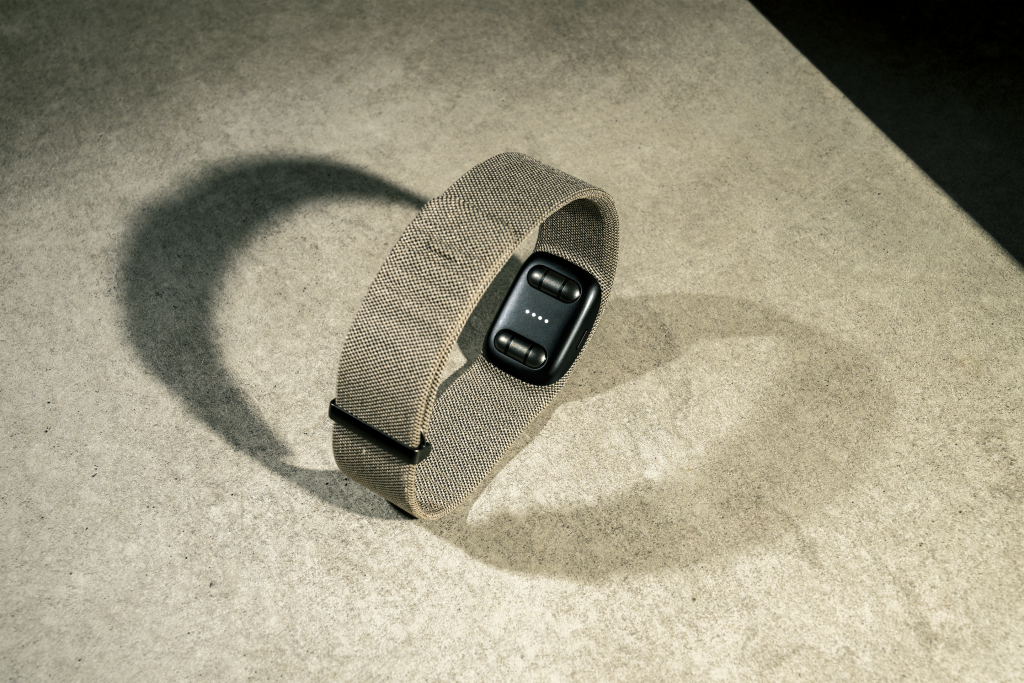
There are moments when you experience emerging tech for the first time, and it feels genuinely different. That’s the case the first time you put on a pair of Meta’s most advanced smart glasses on the market, which project a high-resolution digital box inside the right lens and allow you—with the help of a smart wristband—to control objects on the screen by moving your fingers. Tap your pointer finger and thumb together, and an app opens. Say, “Hey, Meta,” and you’re suddenly chatting with an AI bot.
This, as Meta sees it, is how most of us will eventually use AI. The company recently took Fortune inside a private demo room at its Menlo Park, Calif., headquarters to show off its growing family of smart glasses. The collection included the flagship Ray-Ban Wayfarer camera-enabled glasses, with an updated nine-hour battery life; the Ray-Bans with the lens display and “neural” wristband; new audio-only smart glasses that ditch the built-in camera; new styles including Aviator frames; and prototypes like the Orion augmented reality glasses.
Few companies have managed to crack the code for AI-enabled wearables—and specifically glasses—as Meta has. A strategic partnership with Ray-Ban parent EssilorLuxottica has played a major part, and despite widespread privacy concerns, Meta’s glasses are the most popular on the market.
It’s a relatively small market, but one the tech industry is taking very seriously. Silicon Valley’s elite companies are racing to create hardware in new, AI-friendly “form factors,” betting that there are better ways for consumers to interact with AI—whether that’s through smart glasses or some yet-to-be-invented gadget. Leading AI labs such as OpenAI and, reportedly, Elon Musk’s SpaceX, are hard at work developing new devices. Musk disputes the report. Numerous smaller startups and industry giants like Apple are also working on new hardware.
At a time when the race to build the best frontier models is center stage, the competition to establish the next hardware platform is shaping up to be just as important. At stake is control over how billions of people access AI, regardless of whose bots are the smartest.
Meta’s lead
Meta is a case in point. Its AI models generally lag those of rivals like OpenAI and Anthropic. But Meta stands above all in AI-enabled glasses, having grown its sales of smart glasses threefold last year; EssilorLuxottica says it sold 7 million pairs of AI-enabled glasses in 2025.
Alex Himel, Meta’s vice president of wearables, credits the company’s early bet on the category and its decision to prioritize fashion. Customers use the smart features on the glasses only about 10% of the time, he said, so it’s critical that people crave the glasses for their look and weight. EssilorLuxottica held Meta to 50 grams or below for most glasses.
“We’re able to keep adding this stuff into something that you’re already wearing for other reasons,” Himel said of the tech features.
One new capability he’s excited about is agentic AI powered by Meta’s latest Muse Spark model, allowing the glasses to execute multistep routines like managing personal schedules and scanning through emails.
“As the AI gets better, you want something that’s always with you, can see what you see, hear what you hear,” Himel said.
A new hologram feature scans your face and records your expressions, producing a 3D animated simulacrum of your visage. When you’re wearing the glasses and call a friend via Meta-owned WhatsApp, your hologram appears on their screen—and their hologram, if they have one, appears in your glasses. It’s impressive, but also a bit jarring: My hologram looked like a deepfake version of me.
Meta also continues to work on new devices. On Wednesday, it announced virtual reality glasses that it said weigh only 100 grams and are built for movies, gaming, and spatial computing. The glasses, which the company said will ship in the spring, will cost $1,299.
There are still rough edges. The display glasses didn’t always respond to thumb swipes and sometimes lagged after voice commands. Meta’s AI also occasionally struggled to identify objects cleanly, such as when it attempted to calculate the number of calories in a trayful of food. The company pointed out that there is a natural learning curve and that the tech usually works for most people without issue.
Meta’s Ray-Ban Display glasses start at $799, while its third-generation flagship camera-enabled Ray-Bans cost $449. The new audio-only glasses start at $349 and are shipping in two styles: The Ray-Ban Clubmaster and Burbank.
The privacy problem
The bigger concern surrounding this tech, however, is privacy. Already, Meta has had to respond to some users disabling the glasses’ LED light that turns on to alert people nearby that the video camera is recording. The company recently created a policy to deactivate recording if the LED has been tampered with, and Meta will delete the accounts of anyone who uses a modified device and posts harassing content.
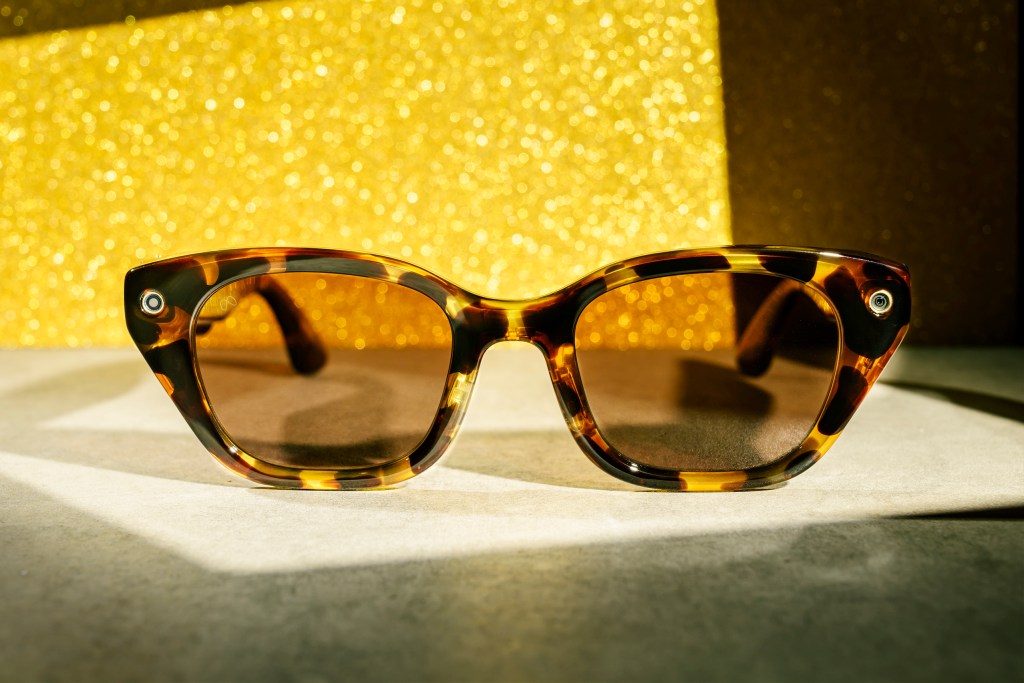
Stopping depraved users is only part of the challenge. The coolest features of AI devices come from AI’s ability to make sense of the world around you, operating not from on-screen data alone. That creates an inherent tension with norms around privacy and personal space.
There are moments when you experience emerging tech for the first time, and it feels genuinely different. That’s the case the first time you put on a pair of Meta’s most advanced smart glasses on the market, which project a high-resolution digital box inside the right lens and allow you—with the help of a smart wristband—to control objects on the screen by moving your fingers. Tap your pointer finger and thumb together, and an app opens. Say, “Hey, Meta,” and you’re suddenly chatting with an AI bot.
This, as Meta sees it, is how most of us will eventually use AI. The company recently took Fortune inside a private demo room at its Menlo Park, Calif., headquarters to show off its growing family of smart glasses. The collection included the flagship Ray-Ban Wayfarer camera-enabled glasses, with an updated nine-hour battery life; the Ray-Bans with the lens display and “neural” wristband; new audio-only smart glasses that ditch the built-in camera; new styles including Aviator frames; and prototypes like the Orion augmented reality glasses.
Few companies have managed to crack the code for AI-enabled wearables—and specifically glasses—as Meta has. A strategic partnership with Ray-Ban parent EssilorLuxottica has played a major part, and despite widespread privacy concerns, Meta’s glasses are the most popular on the market.
It’s a relatively small market, but one the tech industry is taking very seriously. Silicon Valley’s elite companies are racing to create hardware in new, AI-friendly “form factors,” betting that there are better ways for consumers to interact with AI—whether that’s through smart glasses or some yet-to-be-invented gadget. Leading AI labs such as OpenAI and, reportedly, Elon Musk’s SpaceX, are hard at work developing new devices. Musk disputes the report. Numerous smaller startups and industry giants like Apple are also working on new hardware.
At a time when the race to build the best frontier models is center stage, the competition to establish the next hardware platform is shaping up to be just as important. At stake is control over how billions of people access AI, regardless of whose bots are the smartest.
Meta’s lead
Meta is a case in point. Its AI models generally lag those of rivals like OpenAI and Anthropic. But Meta stands above all in AI-enabled glasses, having grown its sales of smart glasses threefold last year; EssilorLuxottica says it sold 7 million pairs of AI-enabled glasses in 2025.
Alex Himel, Meta’s vice president of wearables, credits the company’s early bet on the category and its decision to prioritize fashion. Customers use the smart features on the glasses only about 10% of the time, he said, so it’s critical that people crave the glasses for their look and weight. EssilorLuxottica held Meta to 50 grams or below for most glasses.
“We’re able to keep adding this stuff into something that you’re already wearing for other reasons,” Himel said of the tech features.
One new capability he’s excited about is agentic AI powered by Meta’s latest Muse Spark model, allowing the glasses to execute multistep routines like managing personal schedules and scanning through emails.
“As the AI gets better, you want something that’s always with you, can see what you see, hear what you hear,” Himel said.
A new hologram feature scans your face and records your expressions, producing a 3D animated simulacrum of your visage. When you’re wearing the glasses and call a friend via Meta-owned WhatsApp, your hologram appears on their screen—and their hologram, if they have one, appears in your glasses. It’s impressive, but also a bit jarring: My hologram looked like a deepfake version of me.
Meta also continues to work on new devices. On Wednesday, it announced virtual reality glasses that it said weigh only 100 grams and are built for movies, gaming, and spatial computing. The glasses, which the company said will ship in the spring, will cost $1,299.
There are still rough edges. The display glasses didn’t always respond to thumb swipes and sometimes lagged after voice commands. Meta’s AI also occasionally struggled to identify objects cleanly, such as when it attempted to calculate the number of calories in a trayful of food. The company pointed out that there is a natural learning curve and that the tech usually works for most people without issue.
Meta’s Ray-Ban Display glasses start at $799, while its third-generation flagship camera-enabled Ray-Bans cost $449. The new audio-only glasses start at $349 and are shipping in two styles: The Ray-Ban Clubmaster and Burbank.
The privacy problem
The bigger concern surrounding this tech, however, is privacy. Already, Meta has had to respond to some users disabling the glasses’ LED light that turns on to alert people nearby that the video camera is recording. The company recently created a policy to deactivate recording if the LED has been tampered with, and Meta will delete the accounts of anyone who uses a modified device and posts harassing content.
Stopping depraved users is only part of the challenge. The coolest features of AI devices come from AI’s ability to make sense of the world around you, operating not from on-screen data alone. That creates an inherent tension with norms around privacy and personal space.