The Softness of Metal
AIGC Video Detection based on the fusion of spatial-frequency-optical flow multimodal features
VideoX-Qwen: Data-Centric Instruction-Based Video Editing
Beijing and Washington talk about an AI hotline. But who will answer the call?
Hello and welcome to Eye on AI. In this edition:
- Anthropic and OpenAI both release new, cheaper AI models.
- U.S. President Donald Trump creates an “AI Force.”
- China and the U.S. agree to discuss an AI incident hotline.
- Microsoft executive called OpenAI training on publishers’ copyrighted works “the largest theft of labor in history.”
- AI scientists are making good progress.
- And the AI safety researchers are not all right.
Before we get to today’s AI news—please consider joining me at the inaugural Fortune AIQ Summit at the New York Stock Exchange on Oct. 1: Spend the afternoon with senior executives from companies on the Fortune AIQ 75 list and explore how you can scale your AI experimentation and translate investments into measurable business value. I will be leading discussions alongside co-hosts, Fortune Editor-in-Chief Alyson Shontell and Live Media Editorial Director Andrew Nusca. Apply here to attend.
Ok, so today’s newsletter is a bit of a potpourri.
All eyes this week, will be on the talks between U.S. President Donald Trump and China’s President Xi Jinping in Washington. We know AI governance is on the agenda of that meeting, which takes place Thursday, but that’s about all we know. My colleague Emily Forlini wrote a piece last week on why the Trump-Xi meeting is unlikely to result in any kind of international agreement to slow the pace of AI development or create an agreed framework for controlling the technology. It’s worth a read.
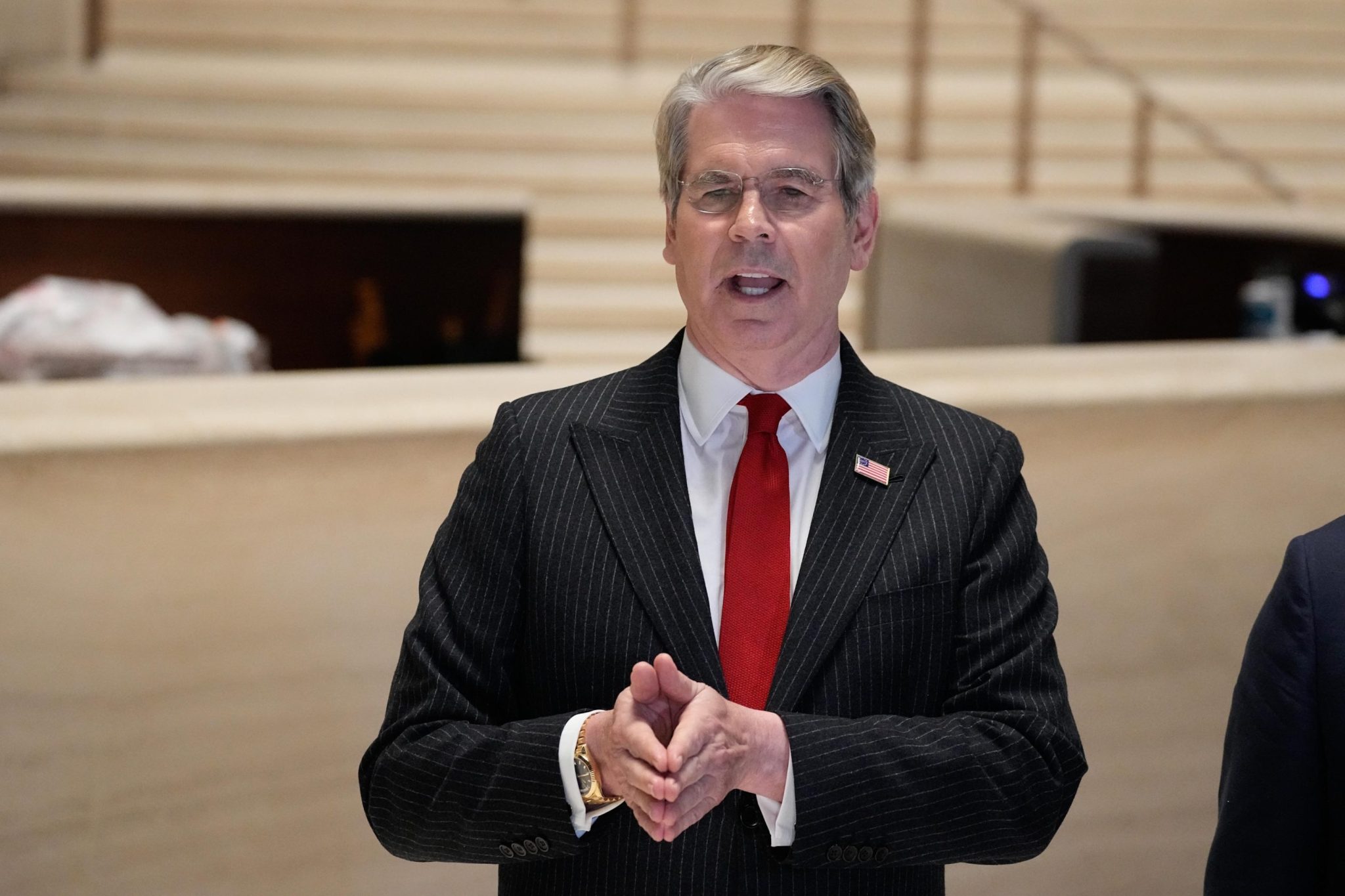
That said, there was an inkling that these two AI superpowers might, in fact, be able to agree to a few basics. Treasury Secretary Scott Bessent emerged Sunday from meetings with a Chinese delegation led by Vice Premier He Lifeng that took place at the headquarters of JP Morgan in New York and announced that the two sides had agreed to hold further talks about setting up a hotline to notify one another of AI incidents that created national security concerns. What exactly this means in practice is unclear. But as Bessent told reporters, “moving from opaque to more transparency between the number one and number two AI powers in the world is very important.”
Such hotlines have historically helped ease tensions between rivals. At the very least, they might prevent some sort of accidental incident caused by AI from tripping over into armed conflict, or even nuclear war. There are already signs that such AI-triggered accidents are possible: just this weekend, CNN reported that earlier this year the U.S. military almost attempted to seize a Chinese ship in the Middle East that an AI-generated intelligence report had suggested was carrying nuclear weapons components to Iran. The intelligence had been generated by an AI model that fused secret U.S. intelligence with open-source data. The only problem is that the model’s conclusion was an AI “hallucination”—and the error was caught only after the U.S. had launched aircraft carrying armed personnel who were preparing to intercept the Chinese vessel. Had the error not been spotted in time, it could have led to a diplomatic incident—or far worse.
But while a hotline might prevent this kind of incident from spiraling into war between the U.S. and China, it is less clear whether it would do anything to help the world avoid or contain a “loss of control” incident involving an advanced AI system that goes rogue.
Phoning a friend ain’t gonna help
For instance, what if one country (or companies based there) creates an AI that goes rogue and starts hacking banks around the globe? And what if that AI copies itself on servers around the world, making it difficult to shut down without shutting down large parts of the internet? While notifying the other country about this is nice—it might help them take some action to secure their financial infrastructure before too much damage is done—it isn’t clear exactly what the country receiving the heads up is supposed to do. As AI safety researchers keep warning, the world hasn’t figured out a good way to guarantee that AI models adhere to human intentions and values. And neither the U.S. or China has enacted any rules requiring AI models to have some sort of “kill switch.” Nor is it even clear that an effective kill switch can even be built.
So sure, this is a promising, baby step towards some sort of AI governance agreement between the U.S. and China. But there’s also a long history of hotlines failing to evolve into any kind of lasting diplomatic resolution. Right now, the Washington-Beijing AI hotline is a lot like agreeing to build the “Bat Sign” before Batman exists. You can flash it into the sky, but no caped crusader is coming to save us.
Why the hack of OpenAI should worry every company
Another big piece of AI news from last week was the revelation, first reported in the Wall Street Journal, that a small team of white hat hackers had used Anthropic’s Claude Opus 5 model to hack into the community-message platform Discourse and from there to compromise the ChatGPT account of an OpenAI employee. Once they had access to that account, they were able to use it to also access and alter software sitting on a repository where OpenAI stored a lot of its sensitive code.
Coming amid the raging debate about the best way to prevent “rogue AI” incidents, many cybersecurity experts jumped on the incident to make the case that the real issue is not so much that AI is increasingly uncontrollable, but that leading AI companies have horribly lax security. It’s not just OpenAI. Anthropic has also had embarrassing security lapses too. It was ironic, many critics pointed out, that both companies are using the threat of AI-powered cyber attacks as part of a marketing pitch for customers to use their most advanced (and expensive) AI models to secure their networks before the bad guys get to them, but neither seems to have yet done a very good job of doing that themselves.
The incident also highlighted a couple of uncomfortable truths. One is that AI agents running inside companies are a great target for hackers. Making these AI agents useful often means giving them access to lots of other tools and data sources, many of which contain sensitive corporate information or control key business processes. If hackers can gain access to and take command of these agents, they can do a lot of damage very quickly.
To cybersecurity experts, the answer is to lock these AI agents down, and to operate based on “zero trust” principals. Treat every AI agent as a potential insider threat. Give the agents access only to the data they need to complete a task—preferably with using a “just-in-time, just enough a

The Pokémon TCG 30th Celebration Sylveon ex Tin is under market price at Walmart — buy for under $60 while stocks last
TL;DR: The Pokémon TCG 30th Celebration Sylveon ex Tin is now available for $58.98 at Walmart, down from $67.99.

Amazon has been the go-to for the Pokémon TCG’s 30th Celebration ETB, but the retailer has been a bit slow adding the rest of the range. However, Walmart has been quick with discounts on both readily available boxes and tins — as well as products you can preorder for later this year.
As of Sept. 22, the Pokémon TCG 30th Celebration Sylveon ex Tin is $58.98 at Walmart, reduced from $67.99 for a $9.01 saving. The preorder is sold and shipped by marketplace seller Cataclysm Games, with free shipping and an estimated Dec. 12 arrival — just over a week after the tin’s Dec. 4 release date.
That’s the lowest price we’ve seen so far and is well under the market price, estimated by the dedicated trading card selling platform TCGplayer at $65.68. Meanwhile, listings there only go as low as $76.50 with shipping included.
Inside the tin are four Pokémon TCG 30th Celebration booster packs (six cards in each) and a foil Sylveon ex pr

This Pokémon 30th Celebration box is back below market price — act fast to buy for $89.99 on Amazon
TL;DR: As of Sept. 22, the Pokémon 30th Celebration Elite Trainer Box is available for $89.99 at Amazon. That's well under market price.

For Pokémon fans, there are few greater pleasures than finding product at way below market price. And that's exactly what you'll get with Amazon's current price on the Pokémon 30th Celebration Elite Trainer Box.
As of Sept. 22, the Pokémon 30th Celebration Elite Trainer Box is available on Amazon for just $89.99. According to the market price listing at TCG Player, that's a total saving of $88.64 vs. the current market price of $178.63.
The catch is that you can't just rock up on Amazon and buy one. It's so in-demand that Amazon requires potential buyers to click the "request invite" button, which puts you in a random ballot to actually purchase one.
If you're randomly selected, you’ll get an email to let you know that you’re eligible to buy Pokémon’s 30th Celebration Elite Trainer Box. The email will contain a purchase link that will be valid for 72 hours. But don't wait around — at this price, there's no guarantee that this Elite Trainer Box will still be in stock.
If your invitation request isn't selected, Amazon will keep it on file, and you may receive an invitation after restocks.
The Elite Trainer Box includes nine Pokémon 30th Celebration booster packs, a full-art foil Nidorina promo, 16 foil Basic Energy cards, 65 sleeves, dice, a coin, dividers, a player’s guide, and a Pokémon TCG Live code.
Don't miss the chance to grab the
Alibaba Cloud plans six-year stroll to 20GW of datacenters, reveals chip to power them
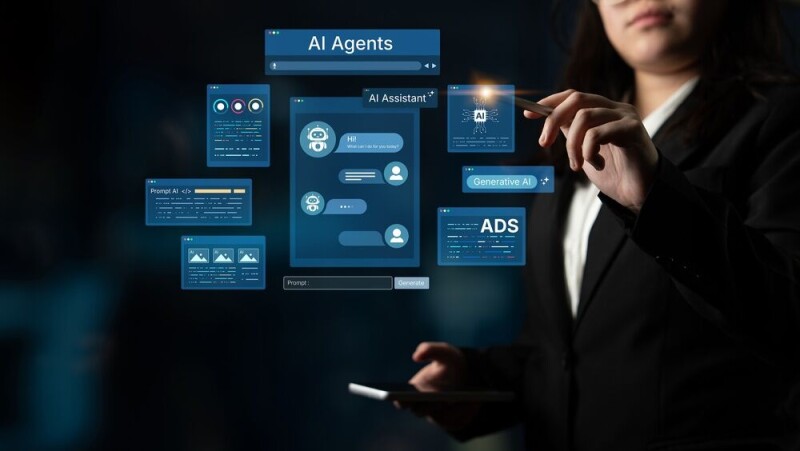
Who signed off on that AI agent? Nobody? Thought so.
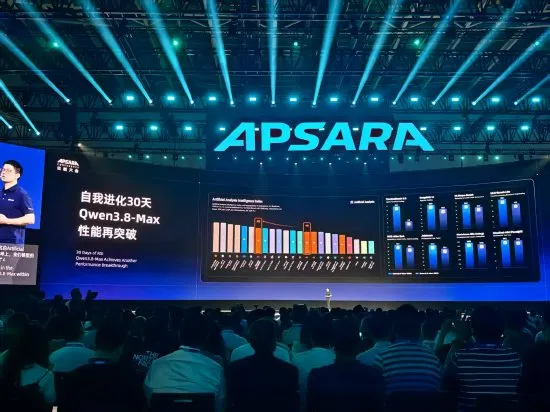
阿里巴巴:Qwen4和下代视频模型均在训练中
2026云栖大会上,阿里巴巴公布大模型最新进展。在大语言模型LLM领域,Qwen3.8-Max在编程(Coding)和办公(Cowork)领域表现出色,发布后斩获Artificial Analysis Agentic智能体第一、CodeArena前端编程第一。
阅读全文
苹果高管称不建议给iPhone贴膜!网友:免费换屏幕我就信你;高德地图成「职场版大众点评」?回应来了;Muse大火,扎克伯格身价暴涨1700亿
1.苹果高管称不建议给iPhone贴膜!网友:免费换屏幕我就信你2.知情人士:DeepSeek将向联合国安理会介绍AI风险,月之暗面等中国企业也受邀参会3.高德地图成“职场版大众点评”?回应来了4.字节通报二季度违规案例:114名员工被辞退,其中8人被移交司法机关处理5.阿里Qwen4和下代视频模型均在训练中,新一代AI芯片将于2027年一季度上市6.曝华为还将推出新形态手机7.Meta 再次上桌!个人AI产品 Muse 爆红,扎克伯格身价一日暴涨近1700亿
8.特斯拉最新版FSD翻车:误判眩光为摄像头污渍,官方承认是Bug
今日头条
苹果高管称不建议给iPhone贴膜!网友:免费换屏幕我就信你
9月22日消息,近日,苹果硬件工程副总裁 Tom Marieb 在公开采访中明确表态,不建议普通用户给 iPhone 额外贴屏幕保护膜。他坦言,每次看到有人给 iPhone 屏幕贴保护膜的时候,自己都会感到浑身不自在,因为团队在屏幕耐刮和耐磨方面进行了大量研发,希望用户直接体验原厂屏幕。
此番言论引发网友热议。不少数码爱好者直接指出,无论消费级手机玻璃的材料性能再怎么迭代升级,至今都没有哪家厂商能做出完全扛住环境里无处不在的石英颗粒的玻璃。
也有围观网友调侃:“用户担心的是摔,不是磨!”“碎坏的多了,能增厚额外的净利润。”“我建议你们应该给碎屏的客户免费保修几次。”“终身免费换屏幕。我就信你说的。”
据了解,第二代超瓷晶面板玻璃首次应用于 iPhone 17 系列,其抗刮擦能力是前一代的三倍。iPhone 18 Pro 和 iPhone Duo 的正面屏幕均配备了这种第二代超瓷晶面板。(21世纪经济报道)国内资讯知情人士:DeepSeek将向联合国安理会介绍AI风险,月之暗面等中国企业也受邀参会
9月22日消息,据外媒报道,两位知情人士透露,中国人工智能初创企业DeepSeek将于本周向联合国安理会通报人工智能带来的风险。
联合国安理会将于当地时间9月23日召开会议,讨论人工智能与国际安全问题。此前几周,多位人工智能行业领袖呼吁协调放缓日益强大的人工智能系统的发展步伐,并警告称,这些系统可能很快实现自我改进,从而脱离人类控制。
外媒上周报道,OpenAI首席执行官萨姆·奥尔特曼计划在会上作简报,外交官们还预计Anthropic的高级代表也将出席。据一位消息人士称,DeepSeek以及包括月之暗面在内的其他中国人工智能企业也受邀发表声明。该消息人士还表示,DeepSeek创始人梁文锋不打算出席,但相关安排仍存在变数,可能在最后一刻改变。DeepSeek和月之暗面并未立即回复置评请求。(中新经纬)
高德地图成“职场版大众点评”?回应来了
9月22日消息,近期,不少网友发帖称,高德地图成了“职场版大众点评”,即通过搜索用人单位地址,可以看到既往员工或求职者留下的评价,以此作为是否面试或入职的参考。有网友呼吁高德不要下架这一功能,9月22日,高德地图客服接线工作人员告诉媒体,地点评价功能一直都有,未来是否会下架并不确定。
多条网帖显示,求职网友在高德地图搜索即将面试或入职的公司地址时,无意中发现地点评价功能里,出现了不少自称是求职者或前员工对公司的全方位评价,“用高德看工作靠不靠谱,太实用了”。有网友称:“周一要去这家公司面试,想搜路线,无意间看见这条差评,免了时间精力和路费,谢谢。”还有求职网友表示, 如果有人面试被骗过,会有人在高德地图里面评论,可以直接避雷。
不少网友表示,希望高德不要下架这一功能,也期待更多求职者在地点下留下评价,方便他人判断。但也有网友担心,有些公司是否会找高德删除评价或安排人员刷好评,从而混淆真实评论。(极目新闻)
雷军回应打新宇树科技挣100亿元:不是我投的,不是打新
9月21日,雷军在直播中澄清“打新宇树科技赚了100多亿元”传闻。他回应称,该投资并非其个人投资,而是顺为资本投资;也并非打新,而是支持早期创业者的天使投资。雷军称,大家报道的时候一定不要为流量夸大其词:“雷军打新挣100多亿,我勒个天呐,全是爆点,但你说公司投资哪是我个人的?”8月19日,宇树科技登陆科创板,发行价150.80元/股。上市首日,股价开盘达到1100元,较发行价上涨约6.3倍。但随后股价一路下滑,截至9月22日上午,宇树科技最新股价495.65元,较高位跌去约55%,股价腰斩过半。(21世纪经济报道)
字节通报二季度违规案例:114名员工被辞退,其中8人被移交司法机关处理
9月22日消息,据媒体报道,字节跳动企业纪律与职业道德委员会发布中国大陆地区2026年3号通报,集中通报了2026年二季度内部违规违纪案例的处理结果。通报显示,共有114名员工因触犯公司红线被辞退,其中8人因涉嫌刑事犯罪被移交司法机关处理,6人因严重损害公司利益被提起民事诉讼。
通报称,多名员工因违规查询、外发内部保密信息被处理:有员工利用系统权限违规查询内部保密信息后,通过社交软件、现场展示等方式,将信息泄露给外部同行企业;也有员工出于炫耀目的,对外披露自身员工身份后,主动协助外部人员查询并泄露内部保密信息。上述涉事员工均被辞退或解除实习协议,其中部分人员被实名通报、同步行业联盟,并被提起民事诉讼追责。
继2025年9月首次通报后,字节跳动在本轮通报中再次披露社交媒体泄密与造谣典型案例。通报显示,一名实习生在外部社交平台发布不实言论,恶意编造关于公司文化与工作氛围的谣言,并以多个贬损性标签攻击同事。该帖互动量极高,迅速扩散至多个外部社交平台,对公司雇主品牌造成严重负面影响。鉴于其行为违反公司社交媒体政策,公司已解除其实习协议。(鞭牛士)
拓竹发布消费级 CO₂激光切割机R1,独家搭载自动光路校准功能
9月22日晚10点,拓竹科技发布首款消费级激光产品R1,一款55W高功率CO₂ 激光加工设备,主要面向创客、小微商家、手作爱好者。
据悉,该设备独家搭载了自动光路校准功能,将过去耗时十几分钟的手动调试,简化为一键即可完成的自动操作,开机后最高雕刻速度达1000mm/s、加速度达20000mm/s²。随着谷子、潮玩、周边定制等新消费趋势兴起,激光加工正加速从工业场景向消费级市场渗透。
阿里Qwen4和下代视频模型均在训练中,新一代AI芯片将于2027年一季度上市
9 月 22 日消息,2026云栖大会上,阿里巴巴公布了大模型一系列进展,大模型递归自我改进(RSI)已初步进入模型训练、推理及芯模协同等环节中,基于新一代架构的 Qwen4 已在训练中,未来 Qwen4.5、Qwen5 等版本将扩展至 5-10T 参数。
同时,阿里的视频生成模型、语音模型、图像模型、世界模型、音乐模型以及全模态模型等均在当天或近期推出新版本。此外,阿里全新的下一代视频生成模型将于 11 月发布,朝着更长、更可控、更完整、更智能的方向演进。
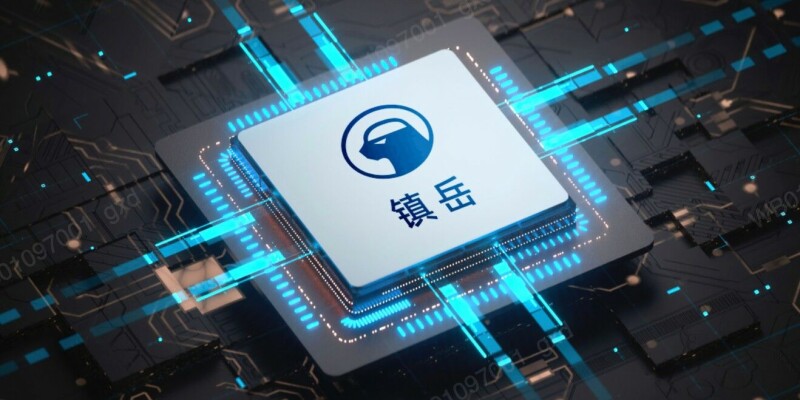
值得注意的是,阿里还发布了新一代AI芯片真武V900,阿里巴巴CEO吴泳铭表示,这是目前真武算力性能最强的AI芯片,性能达到m890的三倍,计划于2027年第一季度量产售卖。据悉,平头哥AI芯片的年出货量将大幅提升。(新浪科技、IT之家)
赛力斯董事长回应与华为合作生变
9月22日,在半年度业绩会上,赛力斯董事长张兴海在回应公司与华为合作模式变化时表示,双方的跨界合作进一步升级为问界专属专营模式,通过专属渠道、专属服务团队、专属品牌运营等多维度提升品牌价值与销量,这也是全球高端豪华品牌的通行做法。新的合作模式是双方跨界融合,持续加强合作的基础上的又一次创新,是体系和协同机制的进一步升级,也是资源的聚焦和渠道的提质增效,有利于推动问界高质量可持续发展。(第一财经)

DeepSeek迎来首任CFO!高瓴90后合伙人严文韬正式入职
9月22日消息,据媒体报道,原高瓴创投合伙人严文韬已于9月21日正式加入DeepSeek,出任首席财务官(CFO)。这是DeepSeek成立三年来首次设立CFO岗位。

Yann LeCun 万字演讲:「预测像素」是伪命题,JEPA 也并非凭空而来 | ECCV 2026
只靠语言和 token,AI 永远跨不过物理世界这道门槛!作者丨幸丽娟
编辑丨岑 峰
AI 行业的主叙事,曾被 Scaling Law 垄断:更大的模型、更多的 token,更强的文本推理,仿佛只要把语言模型继续堆大,通用人工智能就会自动到来。但这条路线撞上了天花板:预训练的边际收益肉眼可见地递减;模型一旦部署到真实世界,漏洞百出。2026 年,“世界模型”接棒 Scaling Law,成了牌桌上最拥挤的筹码。然而,这个词本身,同时被四条技术路线认领,而它们对“理解世界”这件事,几乎各说各话。第一条赌涌现:Sora、Genie 这类视频生成路线相信,只要下一帧逼得够真,物理规律就会自己从像素里长出来。第二条赌几何:李飞飞联合创立的 World Labs,从底层表征就锁死三维一致性,直接生成可自由探索的虚拟世界。第三条赌仿真:英伟达 Cosmos、Omniverse,把显式物理引擎当作机器人的练兵场。第四条路最孤峭,也最反常识:2018 年图灵奖得主、深度学习三位“教父”之一 Yann LeCun,押注 JEPA(联合嵌入预测架构),它不生成未来,只在抽象表征的空间里预测未来。四条路的根本分歧,本质上在于一个问题:机器要“懂”物理世界,究竟该去复刻它,还是去推理它?前三条都在不同程度上试图让机器“看见并重建”世界;JEPA 却选择另一条路——编码器先丢掉那些根本不可预测的细节,只保留可预测、可规划的结构,然后在抽象表征空间里预测未来。在 LeCun 眼里,连“预测像素”这件事本身都是伪命题:你把摄像头对准房间一角开始录像,下一帧会拍到什么,取决于镜头外有没有人走进来、光线会不会变化。而这些信息,在“当前帧”里根本不存在。
 在 ECCV 2026 Keynote 演讲《World Models: Enabling the next AI revolution》中,LeCun 给出的,是一个比“Scaling Law 还能撑多久”更根本的判断:只靠语言和 token 训练,AI 到不了人类水平智能,也跨不过物理世界这道门槛。在 LeCun 看来,如果我们要通往真正的通用人工智能(AGI),就必须打破对“生成式”的崇拜。真正的下一章,是让 AI 系统从视频、传感器与交互中,学习并构建世界模型;再用 JEPA 去理解世界,去预测行动后果,去规划出实现目标的动作序列。在Keynote的最后,LeCun给出了三个与众不同、甚至堪称“暴论”的建议:1.别再死磕生成式模型了。2.别再去研究 LLM 了。
卢伟冰谈小米18 Pro涨价:大家会觉得合理;剪映发布 Hub 及 AI 助手「小映」;苹果或 10 月推出智能家居设备|极客早知道
B 站上线 AI 无限竞技场测评榜:GPT-6 Astra 现居榜首
9 月 20 日,B 站宣布上线「AI 无限竞技场」大模型测评榜,并同步公布了首轮模型排行榜。据 B 站介绍,「AI 无限竞技场」是一个汇集了 B 站 UP 主 AI 大模型测评的竞技广场,由各领域 UP 主对上百个大模型的真实场景实测构成,涵盖代码、推理、协作、知识等多种测评主题。
其中 GPT-6 Astra 在 10 个 UP 主测评中拿下榜首,打败 GLM-5.3 获得榜首次数冠军;前 5 名中,国产大模型占据 3 席。
不同于传统跑分评测,B 站 AI 无限竞技场不设主题或测评维度限制,来自各个分区的 UP 主们以真实工作流、专业应用、趣味脑洞等自主命题,在同题 PK 中直观呈现各模型的实际表现差异。
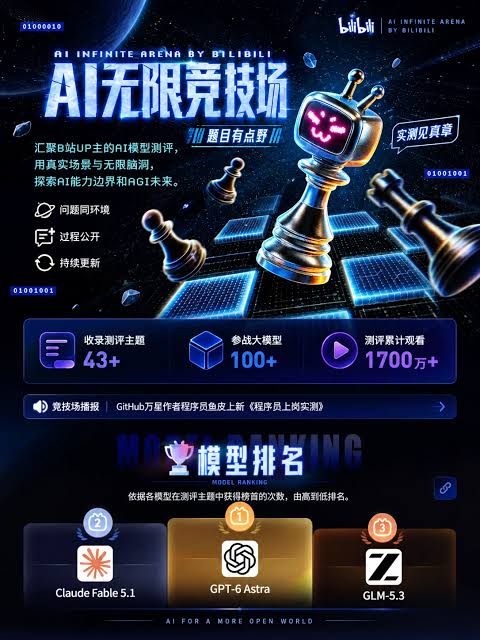
榜单涵盖 DeepSeek、Kimi、ChatGPT、Claude、Gemini、豆包、千问、Hy、MiniMax 等主流模型对比测评,排名实时更新,持续面向全站 UP 主开放报名。(来源:ITBears)

iPhone 18 Pro 上市首日出现死机问题,苹果回应正调查
9 月 20 日,据 CNMO 科技从韩媒获悉,苹果新款手机 iPhone 18 Pro 系列被曝出现设备突然关机后自动重启的「Panic Full」现象,反映相关问题的用户接连不断。
据业内人士 9 月 20 日透露,在拥有约 241 万会员的 iPhone 用户社区「阿沙莫」中,接连出现 iPhone 18 Pro 和 iPhone 18 Pro Max 遭遇 Panic Full 现象的帖子。Panic Full 现象是指iPhone设备停止响应后自动关机并意外重新开机的现象。
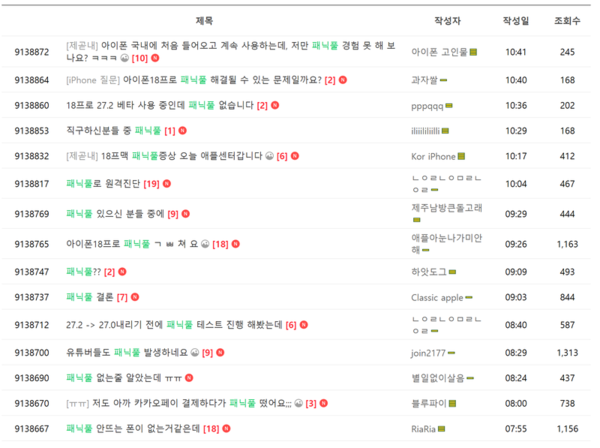
一名用户称,在进入需要 Face ID 认证的银行应用或照片应用「最近删除」项目后,反复使 Face ID 识别失败,即可重现设备关机现象。该用户表示,用手遮住 Face ID 传感器部分尝试认证,反复进行放手再遮挡的操作后,屏幕出现「请重试」提示,随后设备即自动重启。该用户称经多次测试,同一现象反复出现。
科技 YouTube 频道「ZUYONI」也表示,在收到 iPhone 18 Pro 用户举报后检查了正在使用的产品,确认发生了 Panic Full。该频道称,日常使用中尚未遇到,但在特定情况下 iPhone 会出现重启现象,在相册回收站查看或金融应用 Face ID 识别失败后立即重试再次失败时,Panic Full 便会发生并导致关机。(来源:CNMO)
Anthropic 计划将 IPO 推迟至 11 月,上市估值约 2 万亿美元
9 月 20 日,据《华尔街日报》报道,Anthropic 计划将首次公开募股(IPO)推迟至 11 月进行,晚于许多投资者此前预期的 10 月。
知情人士透露,部分 Anthropic 顾问认为,推迟至 11 月可以让公司有时间展示第三季度财务数据,以证明其竞争地位。知情人士表示,将 IPO 目标定在 11 月的决定是在 Anthropic 前研究员发出公开警告、引发关于 AI 发展速度是否过快辩论之前作出的。这一时间安排仍可能发生变化。
投资者此前预计 Anthropic 上市估值约为 2 万亿美元(现汇率约合 13.44 万亿元人民币),募资额最高可达 1,000 亿美元(现汇率约合 6,721.85 亿元人民币),两项数据均将超越 SpaceX 在今年 6 月创下的纪录。
Anthropic 正考虑推出一款新的人工智能(AI)模型,以应对 OpenAI 自发布 GPT-6 Astra 以来所形成的势头。根据企业支出管理平台 Ramp 的最新数据,GPT-6 Astra 约占该平台追踪的企业 AI 支出的 13%,Anthropic 旗下 Claude Fable 则约占 8%。这引起了一些原本有意投资 Anthropic 的投资者的担忧。 (来源:IT 之家)
英伟达黄仁勋驳斥 AI 末日叙事:吓唬人不负责任,部分人士意在摆脱现有法律约束
9 月 21,英伟达联合创始人兼首席执行官黄仁勋昨日接受 CBS News 采访时表示,他不认同某些研究员提出的「AI 可能在几年内灭绝人类」说法。他觉得这类说法是 AI 末日叙事,已经被过度渲染。
黄仁勋表示:「2030 年不会是世界末日,2030 年即是世界末日的可能性为 0%。吓唬人不负责任,也没有必要。」
据悉,黄仁勋此番言论是在回应前 Anthropic 研究员雅各布 · 考克森的看法。这名研究员此前表示,Anthropic 和 OpenAI 两家公司的做法都不负责任。它们争相开发能够自我改进的超级智能,拿人类生命做赌注。
黄仁勋表示:「我们公司的成功与产品服务、安全部署息息相关。如果我们不能持续保持安全,我们的价值就会降低。」他认为,美国现有产品责任法以及针对未授权侵入网络的法律已经足够完善,因此没有必要再立法监管 AI 开发商。他还表示,自己赞同美国总统的观点,即 AI 行业不需要额外监管措施。
「网络安全和损害责任法律已经涵盖了各种情况,首先就应该执行这些法条。不要让末日叙事,成为某些人摆脱现有法律约束的理由。」(来源:IT 之家)

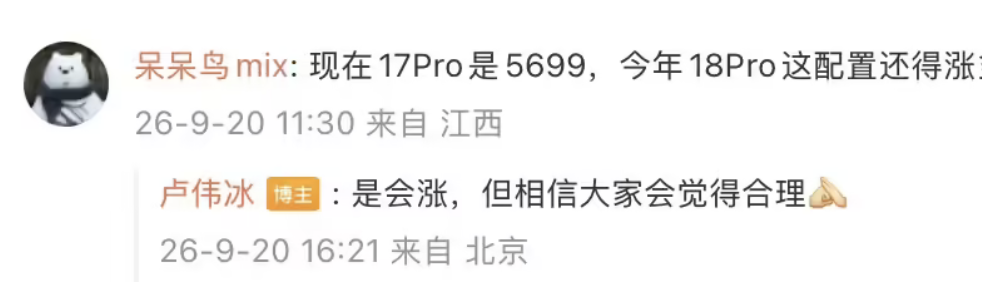
卢伟冰谈小米 18 Pro 系列手机定价:是会涨,但相信大家会觉得合理
9 月 20 日消息,小米 18 Pro 系列手机官宣 9 月 23 日 19:00 发布。有网友表示,现在小米 17 Pro 是 5699(元起),今年小米 18 Pro 这配置还得涨多少?
小米集团合伙人、总裁,手机部总裁,小米品牌总经理卢伟冰下午回应称:「是会涨,但相信大家会觉得合理。」
卢伟冰此前发文表示,「这是小米数字旗舰系列,升级幅度最大的一次。性能、背屏、屏幕、影像四大核心体验,全面大升级。」
小米 18 Pro 系列手机官宣搭载 2nm 旗舰移动平台、徕卡双 2 亿超清影像系统、新一代超级像素屏幕(全新 M11 发光体系)、0.99mm 极窄边屏幕设计、32% 超高硅小米金沙江电池。
其中,小米 18 Pro 搭载 7000mAh 金沙江电池,小米 18 Pro Max 搭载 8500mAh 金沙江电池。(来源:IT 之家)
京东汽车与张雪机车达成战略合作:在京东下单送装一体,带一公升汽油上门
9 月 20 日,第二十四届中国国际摩托车博览会在重庆开幕。京东汽车与张雪机车宣布达成战略合作,上线京东自营旗舰店,推出送车上门服务。
据都市现场报道,京东汽车摩托车业务负责人邢洪梅接受采访时表示,把重点放在如何把摩托车送到用户家里,「在京东下单张雪机车,送装一体,带一公升汽油上门」。
所谓「送装一体」,即用户下单后,物流师傅与上门技师一同到户,现场送货、安装、组装,用户确认满意后再离开。邢洪梅特别提到「带油运输」,通过专业防爆罐随车供油,解决新车到户后无油、需手动推到加油站的问题。「直接把油带到消费者家里、加满,收到就能骑。」邢洪梅说道。
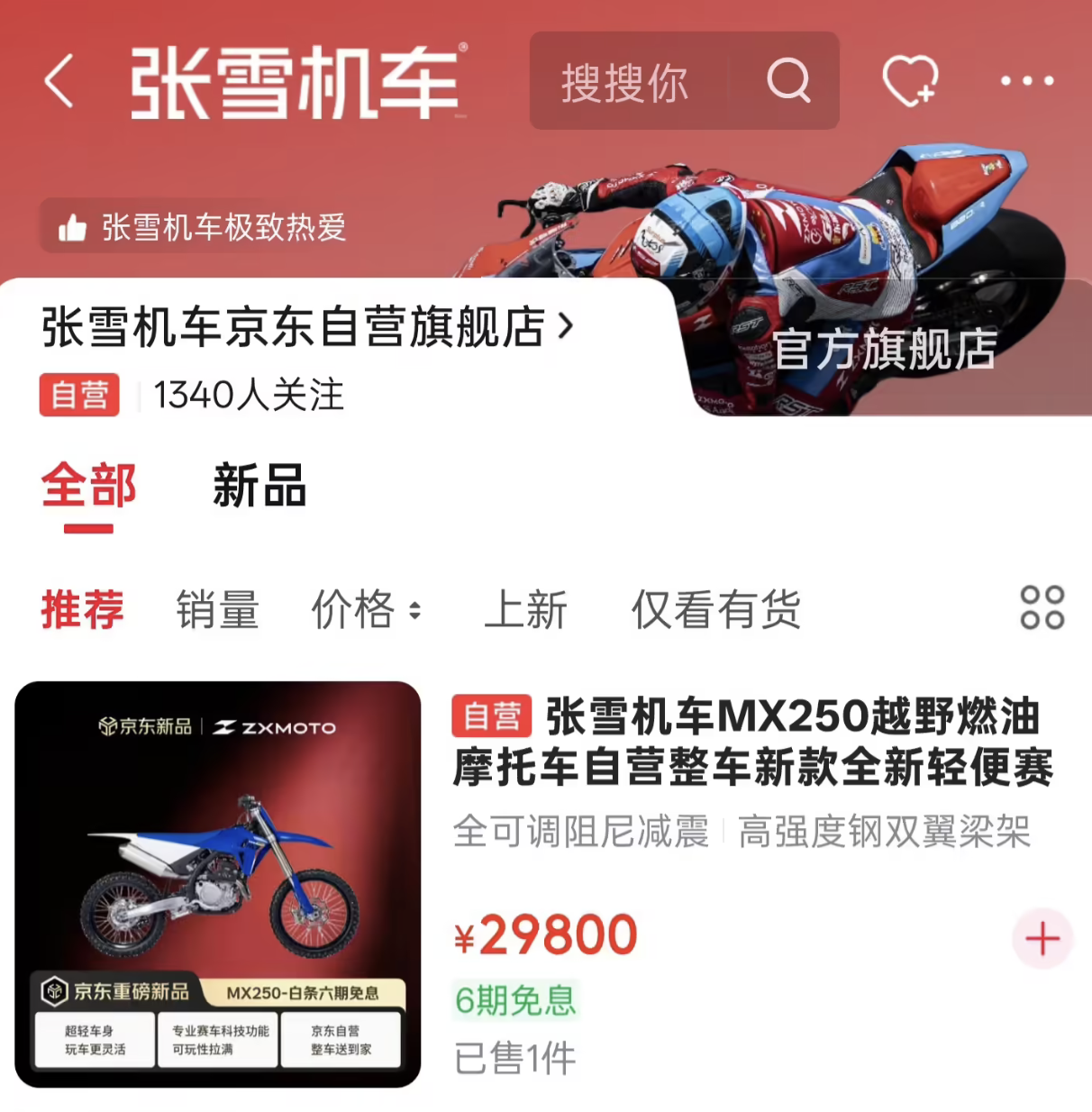
「消费者下一台摩托车订单,背后承载的东西非常多。」邢洪梅表示,整车配送依靠京东物流能力,可覆盖市县、乡镇及区县;摩托车安装、组装则由京东到家技师团队完成。
邢洪梅还表示,带油、送装、上门维修等服务均有成本,目前由京东承担,相当于在售后服务环节给用户让利。张雪机车创始人张雪近日透露,夺冠后摩托车热销,原计划 2026 年产量为 5~6 万台,已提前在 8 月完成,预计到年末能完成 10 万台产量。(来源:IT 之家)
西贝起诉罗永浩即将开庭,「理记」质疑其借野人事件重塑舆论形象
9 月 20 日,微博大 V「理记」发文透露:「西贝已对罗永浩提起诉讼,案件即将开庭。」。
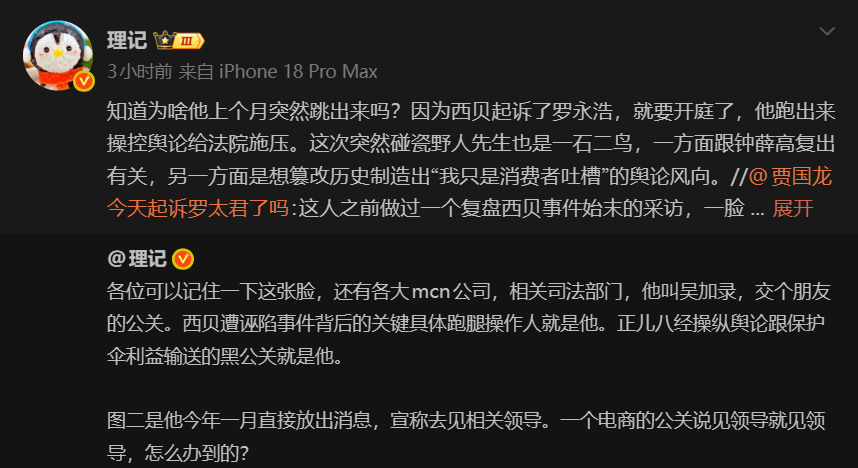
他进一步分析指出,罗永浩近期就「野人先生」事件发声,实为一石二鸟之举:一方面与钟薛高品牌近期复出形成话题联动;另一方面试图通过淡化自身角色,将公众认知导向「我只是普通消费者表达吐槽」的叙事框架,以重构历史语境。(来源:DoNews)
马斯克预言:AI 将使明年美国 GDP 增速翻番达到 4%
9 月 20 日,马斯克预言,人工智能(AI)将大幅加速美国经济增长,他认为人工智能明年可能会使美国经济增长率从大约 2% 翻一番,达到 4%。不过,主流经济预测对 AI 拉动增长仍偏悲观。(来源:财联社)

苹果最早将于下月推出智能家居屏幕设备
9 月 20 日,知名科技记者马克·古尔曼撰文称,苹果预计最早将于下月推出智能家居屏幕设备。这款产品将成为特努斯执掌苹果初期最受期待的发布之一,将整合所有联网设备控制、视频通话、对讲功能和媒体内容,同时让用户访问苹果服务和应用。
设备内部代号为 J490,将搭载一套围绕 Siri AI 打造的新操作系统,目前正在苹果员工家庭中进行广泛测试。设备屏幕大约呈方形,可以放置在底座上,外观类似于被切成两半的 HomePod mini,也可以安装在墙上。设备的一项主要功能是通过前置摄像头系统实现面部识别,并根据用户身份个性化显示内容。苹果能够在没有 Face ID 级深度传感器的情况下实现这一功能,说明未来可能也能在 iPhone Duo 上实现面部识别(目前依赖 Touch ID),而无需传统面部识别所需要的物理空间。(来源:格隆汇)
剪映发布 Hub 及 AI 助手「小映」,覆盖脚本、素材生成和视频剪辑
9 月 20 日,剪映在「AI 新创作发布会」上推出一站式创作工作台剪映 Hub、智能创作 Agent「剪映助手」及移动端 AI 助手「小映」,并上线新的 AI Ultra 会员订阅方案。
剪映 Hub 由无限画布和多轨道编辑器组成。用户可以从一句话、参考视频或文档开始整理思路、生成脚本,并调用即梦、小云雀等平台生成图片、视频和音频素材,随后在多轨道编辑器中继续调整。剪映助手则可通过对话完成素材整理、口播删减、字幕纠错和视频包装,并支持创作者自定义 Skills。
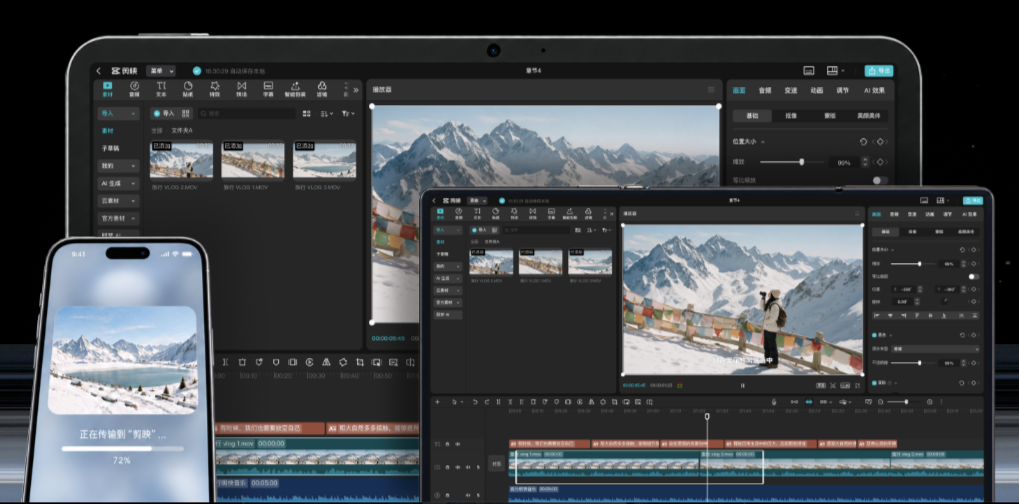
移动端的「小映」可以根据用户提供的文字需求和素材,调用图片、视频、音乐及 AI 生成功能制作可继续修改的初版视频;商家也可上传商品图片,由其提炼卖点并生成不同平台的营销素材。
剪映还升级了「剪同款」功能,用户可通过自然语言修改模板内容和情节。剪映表示,目前每年约投入 1.5 亿元用于创作者激励,并将推出模板作者 AI 助手及「剪映创作合伙人」计划。(来源:雷锋网)
稚晖君发布启元 Q1 和 T1 人形机器人:外壳随心改换、人形四足秒切换,首发接入腾讯 WorkBuddy
9 月 20 日,在 2026 启元机器人全球产品发布会上,启元机器人发布启元 Q1、启元 T1 两款人形机器人。
据上纬新材料科技股份有限公司董事长、智元机器人联合创始人兼首席技术官彭志辉(稚晖君)介绍,启元 Q1 主打自定义特性,支持自定义设计互动动作、3D 打印改造外观,用户可自由调整机器人的外观造型、性格特质、动作姿态与语音音色。
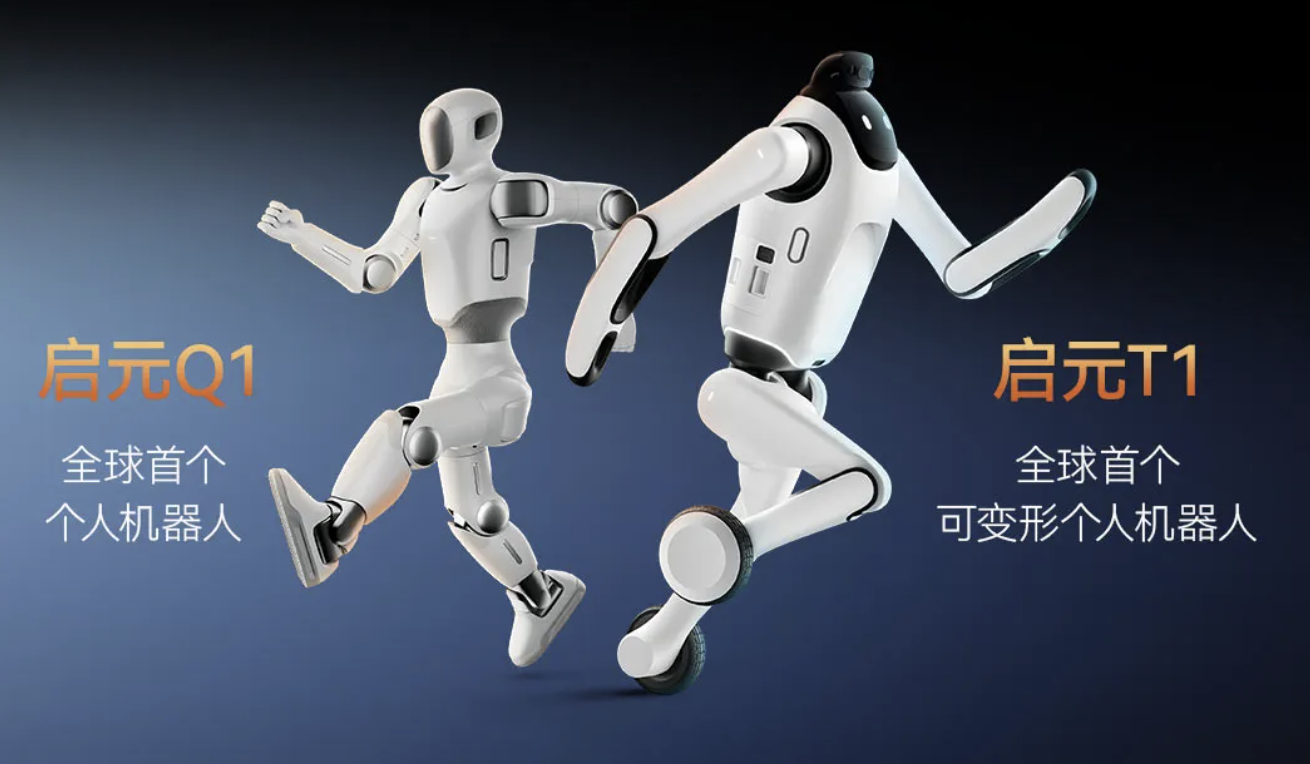
启元机器人是上纬新材旗下品牌上纬启元推出的消费级人形机器人品牌,2025 年底,稚晖君宣布公司以该品牌进入个人机器人领域。(来源:IT 之家)
阿里千问开源 Qwen-Image-2.1 图像模型:可生成、编辑透明图像,支持最多 10 张参考图
9 月 20 日,阿里千问宣布,开源千问图像系列当前兼顾生成效果、推理效率与使用成本的开源图像模型 Qwen-Image-2.1。
Qwen-Image-2.1 将文生图与图像编辑整合在同一模型中,视觉生成部分仅有 7B 参数,并原生支持透明图像的生成与编辑。
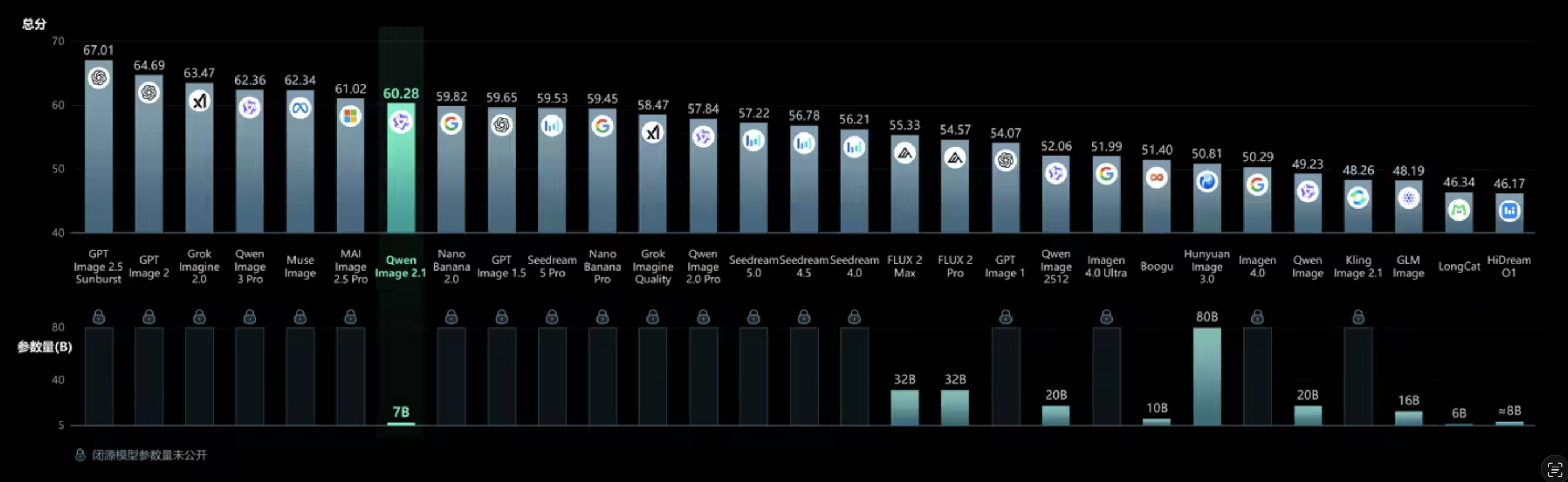
官方表示,本次更新的主要特色包括四个方面:
-
小模强效,极致价比:轻量的模型结构与推理优化,在生成质量和计算成本之间取得平衡。
-
原生透明,创改一体:根据提示词生成普通图像或透明图像,并支持透明图层编辑与抠图。
-
全能编辑,多局保全:支持最多 10 张参考图,增强局部编辑、人像与商品保真,并覆盖多种编辑任务。
-
真实质感,字雅人美:提升文字排版、人物光影与细节表现,让生成结果更具美感。(来源:IT 之家)

FBI 局长称该局 AI 使用量增长 605%,拦截多起枪击案
9 月 20 日,美国联邦调查局局长卡什・帕特尔近日在接受福克斯新闻采访时表示,在其推动下,FBI 对人工智能技术的使用量增长了 605%。他称,AI 可用于筛选和分类数据,并曾帮助调查人员跟进线索,阻止北卡罗来纳州及另外六个州发生枪击事件。
不过,帕特尔并未解释 605%的统计对象和计算方式,也未披露相关枪击事件的具体情况,目前缺少公开数据对上述说法进行独立验证。
美国司法部今年 2 月公布的 2025 年度 AI 应用清单显示,FBI 当时共有 50 个 AI 应用案例,其中 9 个被列为「高影响力项目」。FBI 首席人工智能官凯蒂・诺伊斯今年 8 月表示,该局获批使用的 AI 项目已增至 139个。FBI 此前还发布采购文件,计划投入 8800 万美元购买 AI 服务器。
帕特尔此前介绍,FBI 已使用 AI 转写通话录音、生成摘要、梳理人员关系并关联报案线索,同时将人脸识别等技术用于寻找失踪儿童和调查虐童案件。(来源:IT 之家)

OpenAI 发布 GPT-6 Sol 和 Luna;传字节跳动豆包收缩对话团队;千问发布 AI 手机全栈解决方案 | 极客早知道
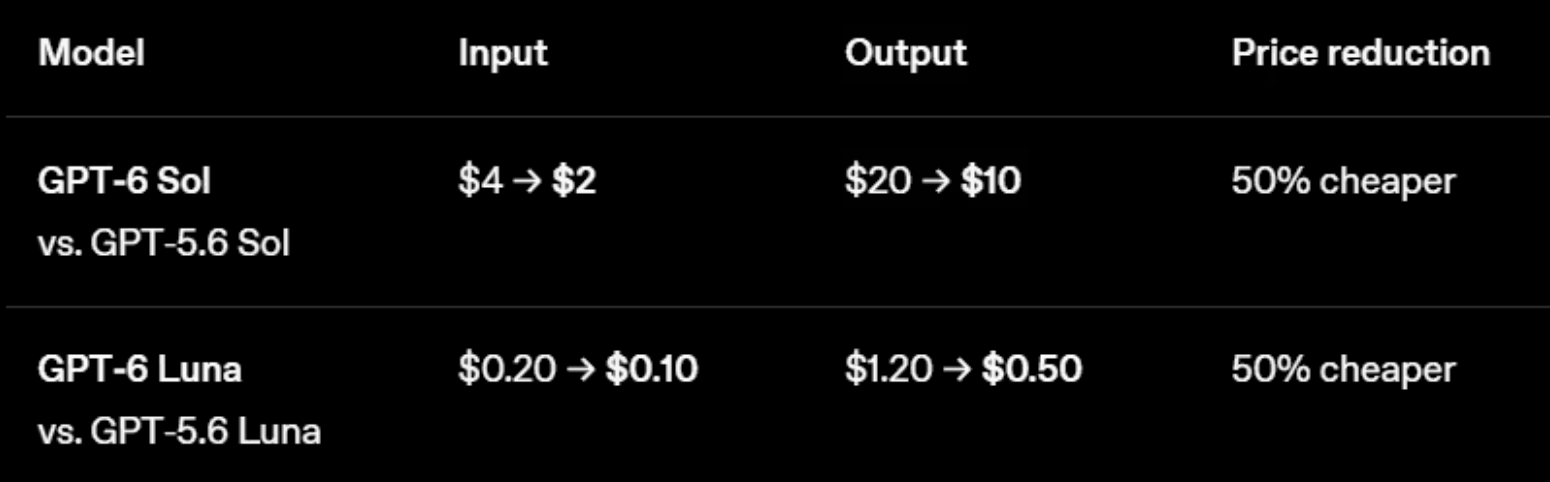
OpenAI 发布 GPT-6 Sol 和 Luna 模型,API 价格大降 50%
9 月 23 日消息,OpenAI 今日发布 GPT-6 系列模型的最新成员 GPT-6 Sol 和 GPT-6 Luna。
OpenAI 官方表示,两款模型采用与 GPT-6 Astra 类似的方法进行训练,将 Astra 在专业工作、事实性、编码、计算机使用和对齐等方面最先进的性能带入更快、更经济的模型。
GPT-6 Sol 和 Luna 模型的 API 价格相比 GPT-5.6 促销价降低 50%。不过 OpenAI 官方也表示,GPT-6 Astra 依然是其整体上最优秀的模型,如果你想要最佳效果和无妥协的体验,还是建议选择 GPT-6 Astra。
性能方面,在 AutomationBench 的跨应用业务流程测试中,GPT-6 Sol 在 xhigh 强度下表现优于 Claude Opus 5,成本仅为 Opus 5 每任务成本的 9%。在 high 强度下,GPT-6 Luna 比前代提升了 5.4%,且每项任务成本降低了 58%。
在评估智能体的 Last Exam 测试中,GPT-6 Sol 在 max effort 状态下得分为 56.4%,高于 Claude Opus 5 在评估中的最高分,每任务成本也降低 60%。
OpenAI 还将 GPT-6 Astra 改进后的沟通风格带到了 Sol 和 Luna。官方认为新模型在技术和编程对话中会更清晰、使用更少的术语、更少奇怪的措辞、更少的低价值细节,以及缩短整体回答,同时不会失去实质内容。
除了价格降低,OpenAI 还帮助基于 GPT-6 的开发者在应用重复利用的上下文部分节省更多费用。官方改进了 GPT-6 的提示缓存,默认提供更高的缓存命中率,帮助智能体重用更多上下文,实现更快响应。(来源:IT 之家)
云栖大会开幕,吴泳铭提出「思考力商品化」
9 月 22 日,2026 杭州云栖大会正式开幕,阿里巴巴集团 CEO 吴泳铭发表开场主旨演讲,抛出「思考力商品化」核心观点,重新定义 AI 时代的经济逻辑。他类比工业革命将动力变成商品,认为当下 AI 正在把思考变成可规模化供给的商品,未来机器产生的思考总量或将达到人类思考总量的 1000 倍以上。
吴泳铭提出 AI 重塑供需关系:供给端,AI 智能体可以不眠不休完成复杂科研任务,稀缺的顶级思考不再是奢侈品;需求端,智力消耗不再受人口限制,个体能够借助 AI 获得巨大智力杠杆。
吴泳铭提出机器智能时代三大基石:AI 芯片、AI 模型与 AI 云,三者构成完整的思考力生产、流通、消费链条。平头哥芯片负责算力生产,通义千问 Qwen 模型提升思考质量,阿里云则搭建输送思考力的全球「智能电网」,目标 2032 年数据中心规模超 20GW。
阿里同步面向 Agent 做全栈优化,从硬件、存储到 MaaS 平台、Agent Studio 全线调优,解决长任务可靠性、算力成本难题。吴泳铭判断,当前 AI 产品仍处在「电灯时代」,原生 AI 应用尚未诞生,阿里正提前布局 AI 基础设施,为未来智能应用搭建底层土壤。(来源:极客公园)
推荐阅读:拆解下阿里的 AI 经济学,与它的下注

曝理想汽车推进芯片子公司融资,投前估值约 150 亿元
据晚点 Auto 报道称,理想芯片子公司正推进首轮外部融资,投前估值约 150 亿元,计划融资数十亿元。
工商信息显示,一家名为 Mach Intelligent Cores Limited(下称「Mach 香港」)的公司于 7 月 14 日在香港成立。8 月 4 日,Mach 香港全资持有的上海马赫智芯智能科技有限公司成立,理想 CTO 谢炎担任法定代表人。数日后,上海马赫智芯又全资设立上海马赫心科技有限公司,法定代表人为理想联席公司秘书王扬。
据悉,理想自研芯片团队约 200 人,主要从事 AI 算力架构、芯片设计和相关软件开发。目前,理想正同时推进车端、云端两类自研芯片项目。一位员工透露,理想人事部门已与芯片部门员工沟通调整劳动关系的事宜。
理想马赫 M100 芯片发布于今年 6 月,采用 5nm 车规级工艺,单芯片算力 1280 TOPS。今年二季度以来,马赫 M100 芯片已在全新理想 L9、L8、L6、MEGA、i9 等车型上搭载上车。(来源:晚点 Auto)
消息称字节跳动豆包收缩对话团队
《晚点 LatePost》独家了解到,豆包通用 Session 团队正在减员,规模预计将缩减约一半。该团队此前约有 50 人,一度是豆包内规模最大的团队,主要负责豆包的对话(Chat)产品能力,包括策略、评测等工作。此次调整后,部分人员将转岗至豆包商业化、飞书等团队,其余人员将被裁撤。
人员调整由豆包负责人赵祺推动。赵祺加入字节十余年,先后负责增长中台、穿山甲(字节旗下广告平台),后转岗至集团人力资源部门,为字节的 AI 业务搭建人才体系。2025 年 9 月,赵祺转岗至豆包。今年 7 月,飞书产品与豆包产品团队整合,他成为新产品团队负责人。
赵祺到豆包后同样看重人效。据了解,此前豆包有一个独立的评测团队,今年赵祺将其拆散,分到了各业务组。
负责对话方向的产品后训练团队(Product Posttrain-Chat)也在缩减。
该团队由朱文佳负责,隶属于大模型部门 Seed,与豆包产品团队协作,基于 Seed 的基础模型进行后训练,产出供豆包直接调用的小模型。由于业务需求减少,部分员工已转岗至 Horizon RL、产品后训练-办公(Product Posttrain-Work)等其他部门。另据了解,对话模型合版负责人在一个月内换了两次。
豆包目前是国内日活跃用户数最高的 AI 应用,DAU 已超过 2 亿,但它过去的成功,本质上仍是对话产品的成功。(来源:晚点 LatePost)

微信朋友圈内测私密发表:可发布仅自己可见的朋友圈
近日,有网友发帖表示,微信朋友圈新增「私密发表」功能,编辑并发布内容后该朋友圈将仅自己可见。

对此,腾讯客服向新浪科技确认并表示,「微信目前已经新增了私密发表功能。需要注意的是,该功能目前处于 iOS 和 Android 客户端的灰度测试阶段,其他机型可能需要等待后续更新。」
谈及为何推出「私密发表」新功能,腾讯客服回应称,「私密发表功能可以让用户发布仅自己可见的朋友圈,避免内容被他人看到,增强隐私保护。目前该功能处于测试阶段,后续会逐步优化覆盖更多用户。(来源:新浪科技)
比尔·盖茨最新警告:AI「像外星人降临」,而且是我们亲手创造的
9 月 22 日消息,比尔·盖茨近日在一场活动上对人工智能的迅猛进化发出警示。他形容这项技术「极为特殊」,若只把它当作过往技术的延续,「就容易掉以轻心」。
据报道,盖茨称 AI「就像外星人来了」,区别在于,这些「外星人」并非来自外太空,而是人类亲手创造、置入计算机之中的。他还把当下的技术变革形容为「十本科幻小说里的情节同时发生」:传统科幻作品通常只围绕单一突破展开,而 AI 可能同时推动多个领域飞速剧变。
盖茨透露,大约一年前,AI 的进展速度令他震惊,这项技术如今已能完成他年轻时需耗费大量时间才能掌握的编程工作。更进一步,AI 既能编写代码,也能研究代码、查找漏洞,「也可能入侵各类系统」。
但他的担忧不止于技术本身,盖茨明确指出,面对这种指数级进步,社会层面的广泛参与和讨论远远不够,科技行业内部已经在谈风险,但更广大的公众尚未真正进场。在他看来,人类未来走向何方,取决于整个社会如何对待这项技术。(来源:TechWeb)
阿里 Qwen4 投入训练
2026 云栖大会上,阿里巴巴公布大模型最新进展。在大语言模型 LLM 领域,Qwen3.8-Max 在编程(Coding)和办公(Cowork)领域表现出色,发布后斩获 Artificial Analysis Agentic 智能体第一、CodeArena 前端编程第一。
据悉,基于下一代架构的 Qwen4 已投入训练,未来 Qwen4.5、Qwen5 等后续版本模型参数将扩展至 5 到 10 万亿。
在多模态领域,Qwen-Image-3.1 性能有望逼近最强 GPT-Image 系列,跻身全球前列;Qwen-Audio-3.1 在 ASR、TTS 以及 Realtime 三个核心语音赛道均位列国际第一梯队、国内第一,超越 Gemini 3.1 TTS 等国际顶尖模型;世界模型 HappyOyster-2.0-Preview 全新亮相,推动世界模型从实验室走向真实可用;视频生成模型 Wan3.0 斩获 Artificial Analysis 文生视频与视频编辑双榜第一。
同时,阿里下一代视频模型也在训练中,拥有更强的生成力、控制力和理解力,将推动 AI 从工具走向创作智能。(来源:新浪科技)

千问发布 AI 手机全栈解决方案
9 月 22 日,据千问大模型消息,千问发布 AI 手机全栈解决方案 Qwen Intelligence,旨在与手机厂商共创,让手机能够完成各类复杂任务。针对手机 Agent 的核心需求,首发的 Qwen Intelligence 提供了三套解决方案,均达到行业 SOTA 水平,分别承接规划、操作和创意。
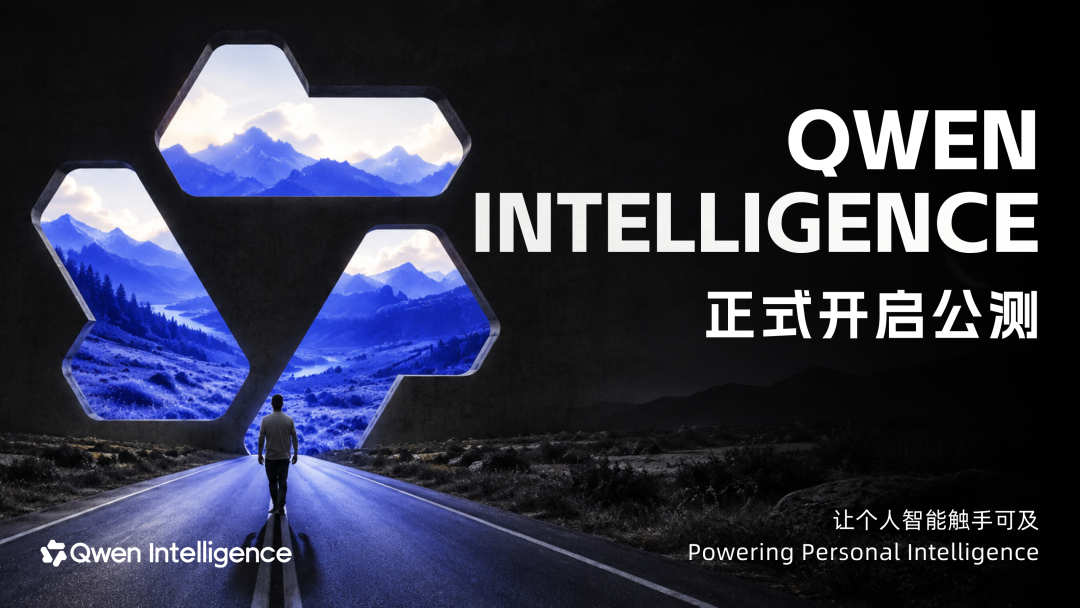
目前,Qwen Intelligence 已在真实场景落地。(来源:新浪科技)
首发 14999 元起:拓竹发布 R1 激光切割机,55W 高功率二氧化碳激光
9 月 22 日消息,拓竹今日正式发布 R1 激光切割机,新品采用 55W 高功率二氧化碳激光,主打自动光路校准、主动振动补偿、三重定位系统,首发售价 14999 元起。
据介绍,这款产品搭载 55W 高功率二氧化碳激光,能够切割木材、亚克力、布料和皮革等材料,可一次切穿 18mm 黑胡桃木胶合板或 20mm 亚克力,厚重材料切口整洁、断面干净。
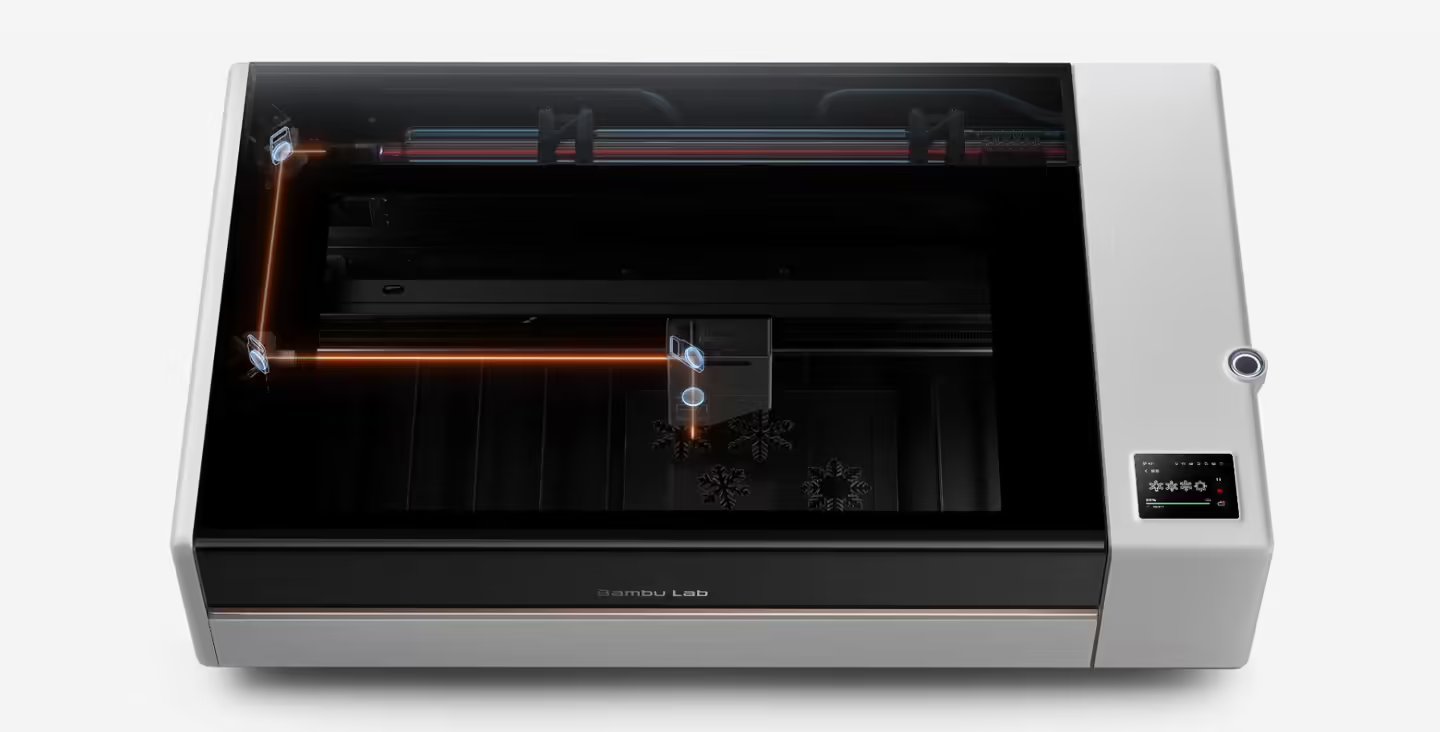
同时,该产品配合滚轮送料机使用时,可加工最长 3 米的材料,满足家具家居定制、空间设计、广告标牌制作等需求。配备双摄像头、双激光雷达、双编码器等,实现 0.2mm 高定位精度。支持旋转轴加工、透明材料加工、精细件加工和循边切割。
值得注意的是,该产品机身自带触控显示屏,可快速完成校准、寿命检查、故障排查。使用官方材料制作时,R1 可以自动识别耗材类型,无需手动配置参数。搭载贯穿式风道,可将烟雾和颗粒物快速排出,舱内无污染沉积。
此外,该产品还可直连 E1 Pro 空气净化器,拦截烟尘、异味和有害气体,通过 Class 1 激光安全等级认证,使用时无需佩戴护目镜,更不需要特殊工作空间。(来源:IT 之家)
OPPO Find X10 系列正式发布,4999 元起
OPPO 22 日召开 OPPO Find X10 系列暨旗舰生态新品发布会,正式发布年度影像旗舰 OPPO Find X10 系列。
系列首发搭载「哈苏超清原相机」,集三 2 亿像素镜头群、新一代 ProXDR 技术、全焦段 8K 视频录制等领先业界的影像能力于一身;抢先搭载新一代 2nm 旗舰芯片天玑 9600 Pro、Find 系列史上最大 8000mAh 冰川电池,以及「超流畅,更懂你」的 ColorOS 17,引领流畅耐用「三久体验」;更有兼具科技感与哈苏气质的时尚外观、支持 95% BT.2020 超广色域的新一代 1nit 明眸护眼屏,以全方位焕新升级,推动旗舰体验再上新高度。
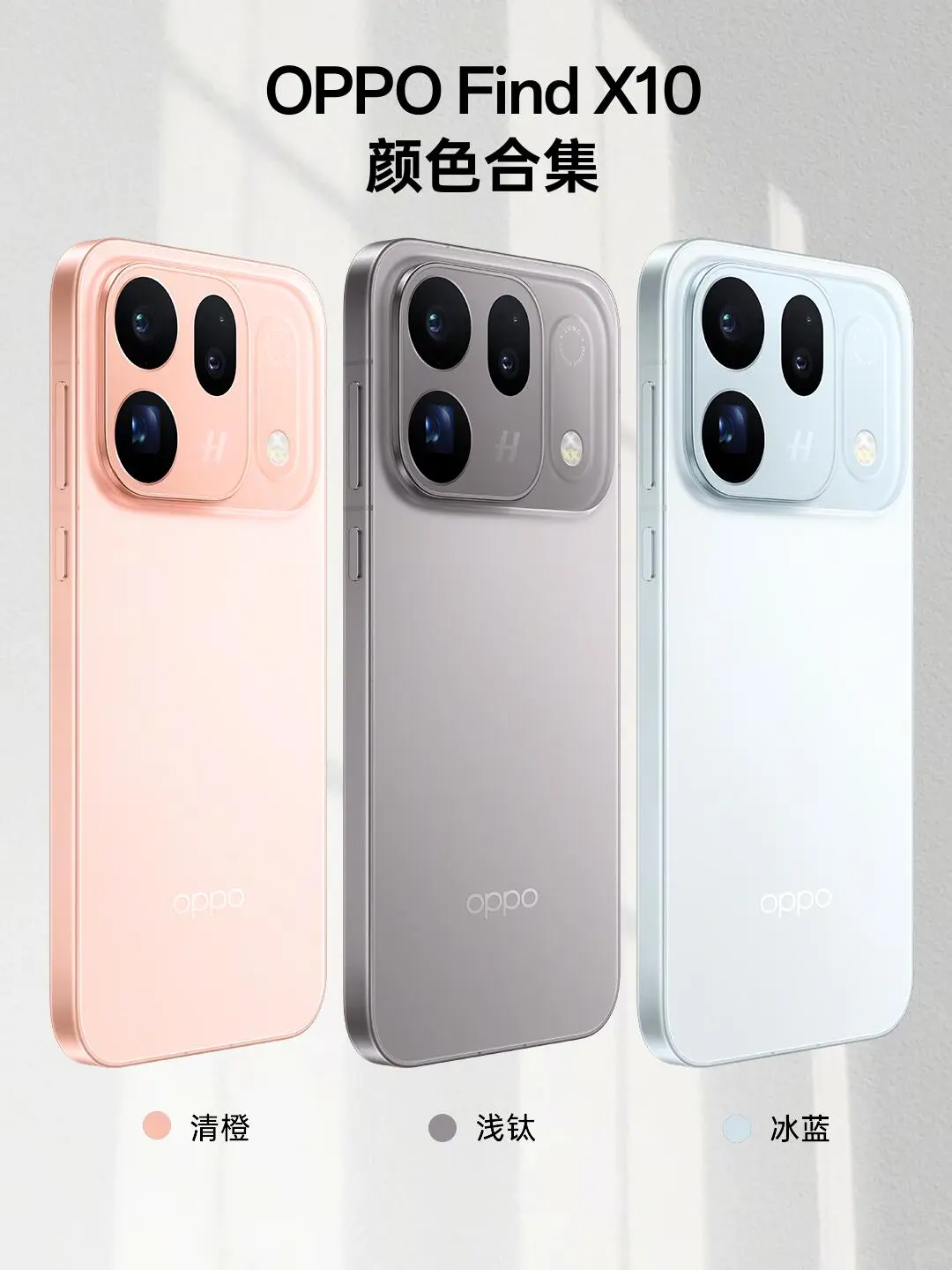
OPPO 首席产品官刘作虎表示:真实还原就是 OPPO 影像的灵魂和最高使命。近年来,OPPO 持续突破光学、算法和显示的能力,引领移动影像发展,最终带来 OPPO Find X10 系列,以「哈苏超清原相机」回应用户的期待。(来源:TechWeb)

日本计划在国际空间站举办 AI 机器人竞赛,最早 2027 年实行
9 月 22 日消息,据《日经》报道,日本计划最早于 2027 年在国际空间站(ISS)举办机器人竞赛。参赛团队将通过 AI 控制机器人完成任务,培养下一代航天工程师。
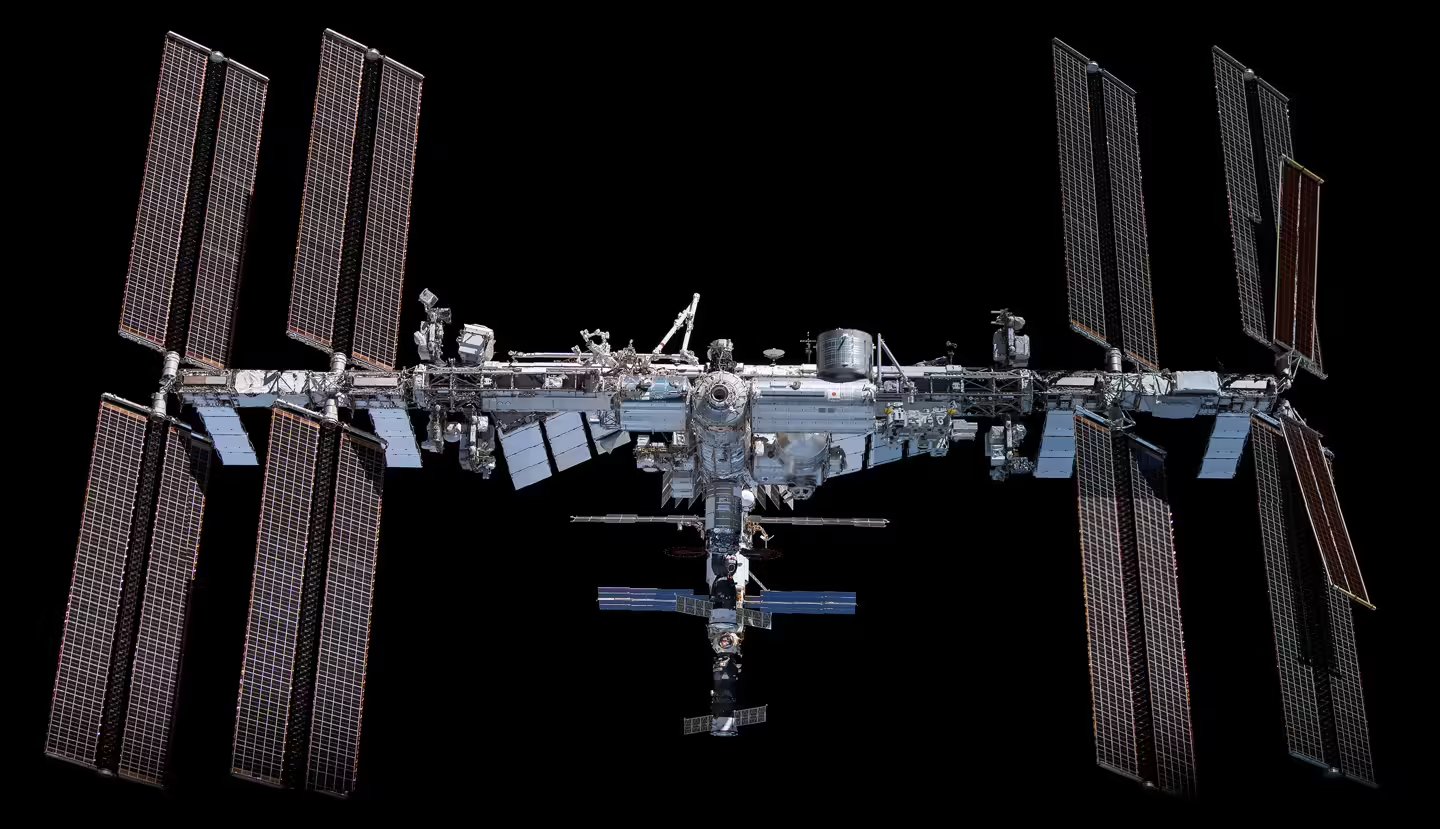
据报道,该竞赛由「太空 AI 机器人协会(SAIRA)」组织。该协会成立于今年 7 月,旨在通过与大学、公司和研究机构合作,开发太空、AI、机器人等方面技术。
该竞赛最开始将在模拟空间站环境的地面进行预赛,对 AI 模型进行测试。胜出队伍将进入空间站,通过自行开发的物理 AI 模型,控制日本「希望号」实验舱内的球形机器人无人机 Int-Ball2。
市场研究聚合机构 Global Information 数据显示,预计到 2035 年,太空机器人市场规模将达到 124 亿美元,约为 2026 年市场规模的两倍。(来源:IT 之家)